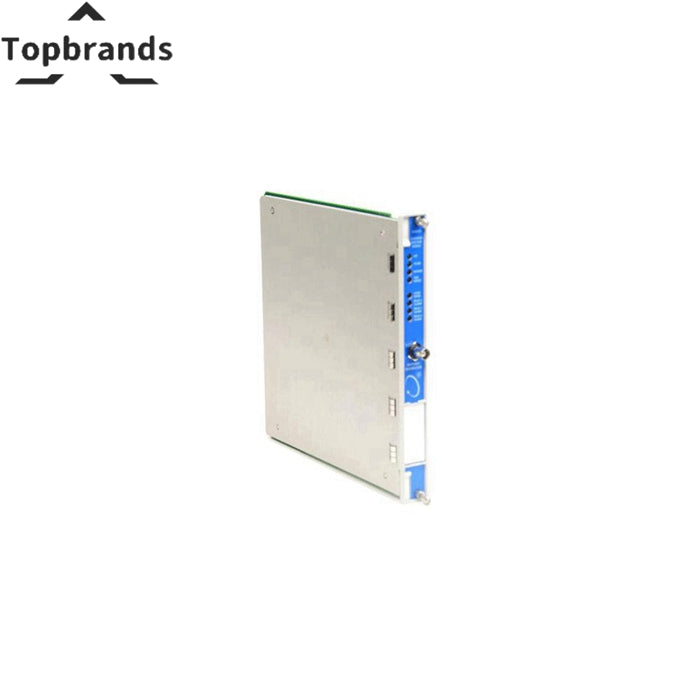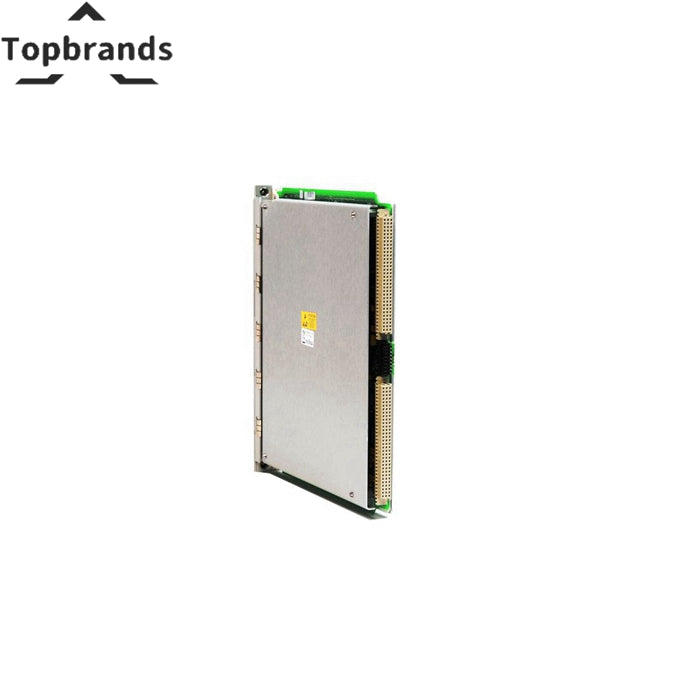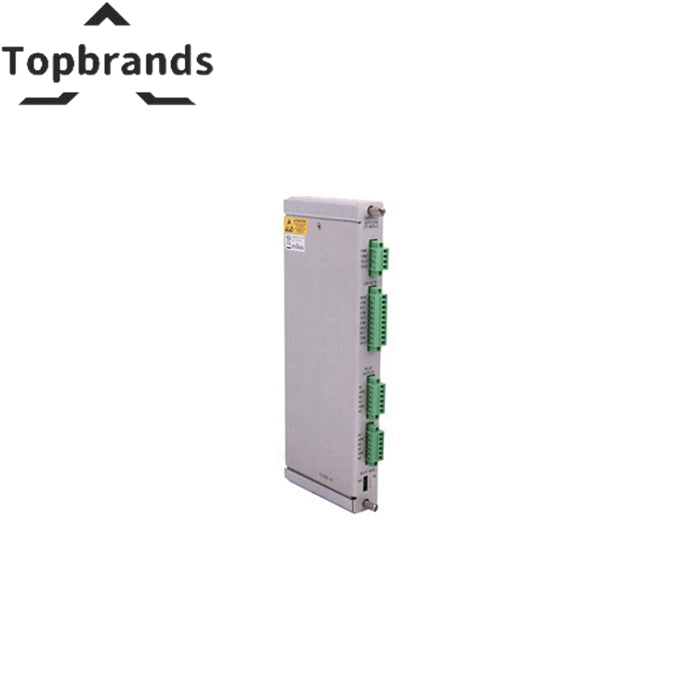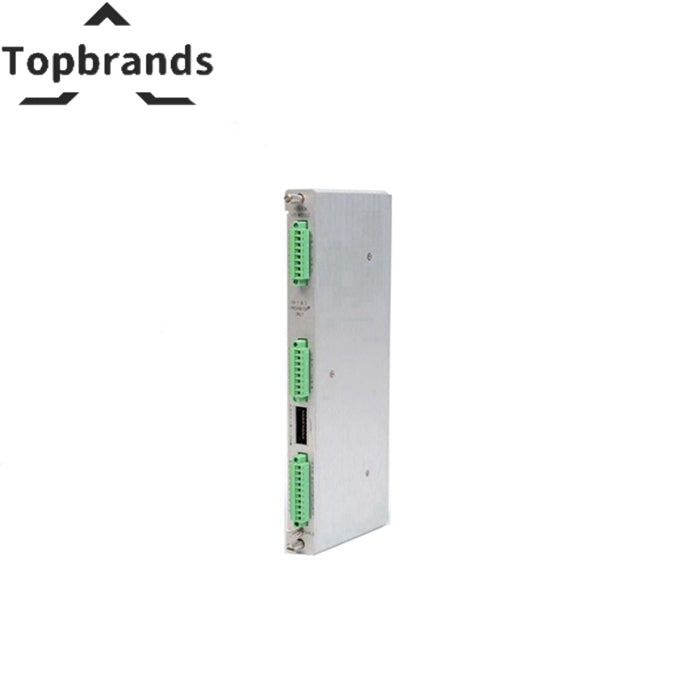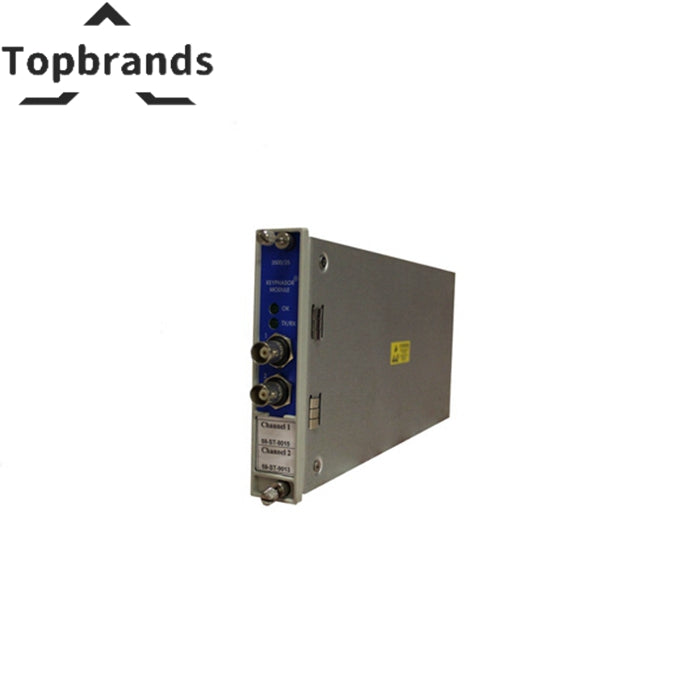


990-10-XX-01-05 | Bently Nevada | Vibration Transmitter
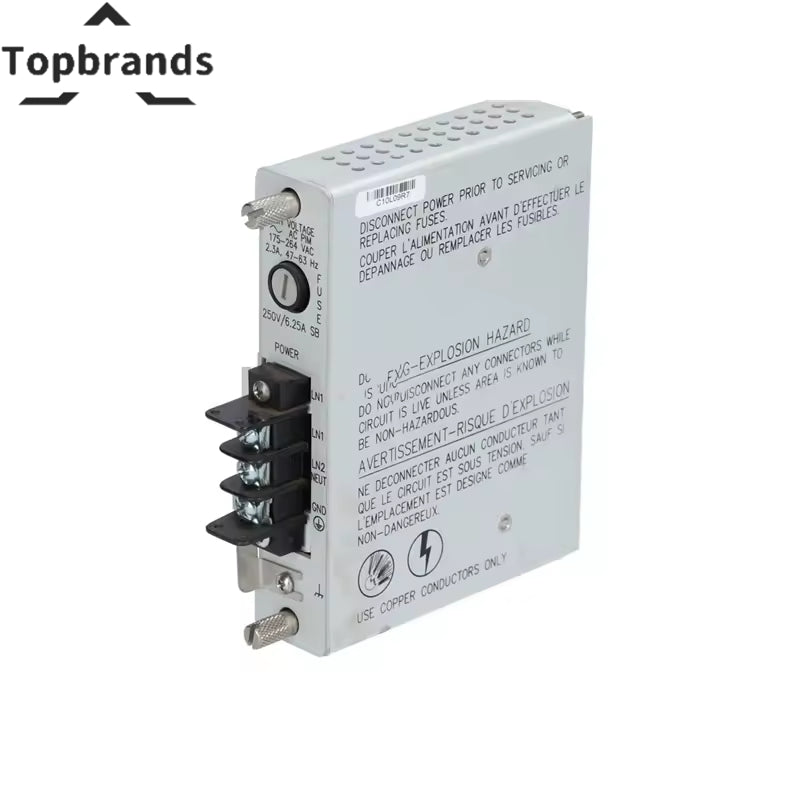
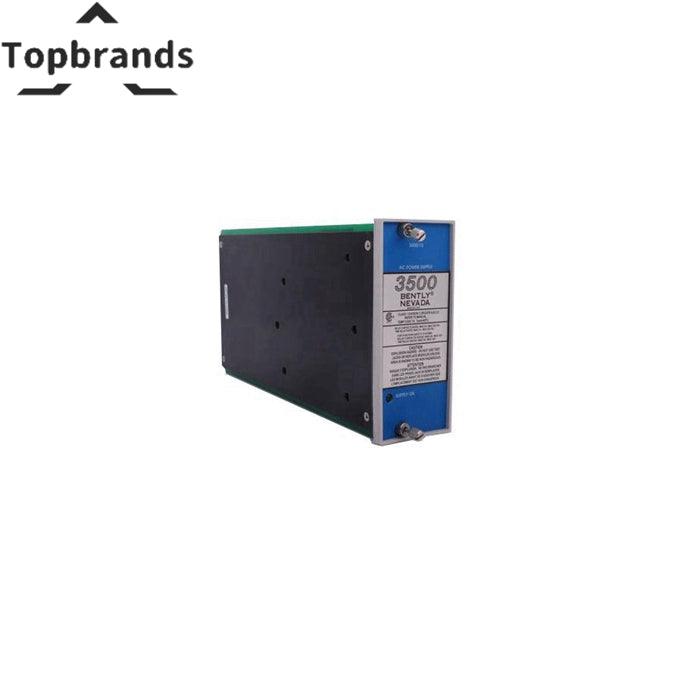
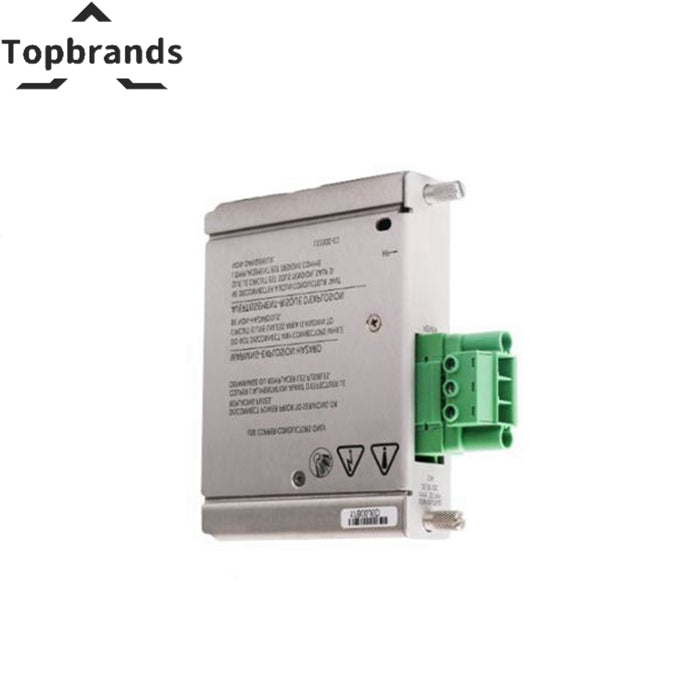
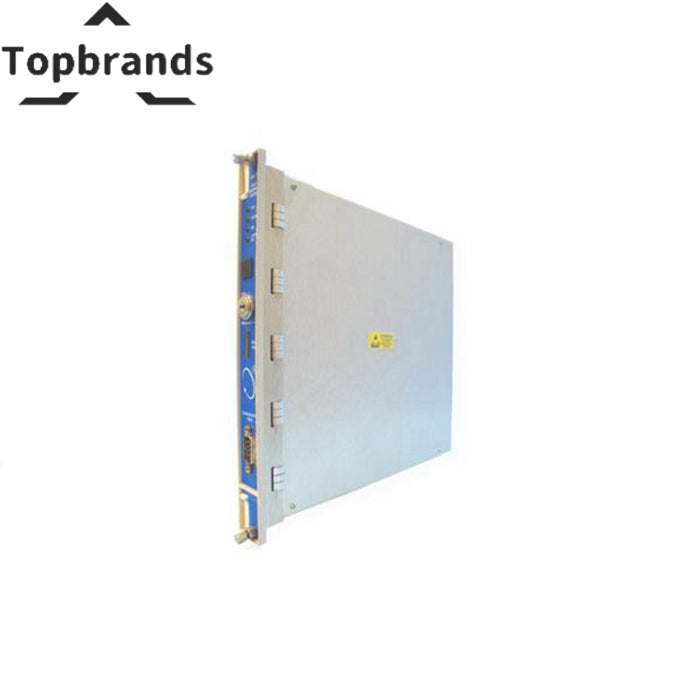
The Bently Nevada 990-10-XX-01-05 is a vibration transmitter for Bently Nevada platforms. Proximity Range: 10-65 mils | Frequency Range: 5 Hz to 6000 Hz | System Length Options: Available in 5 m and 7 m lengths. Factory-sealed, live-rack tested, 48-hour burn-in. 12-month warranty. Ships within 24h.
Technical Specifications
| 990-10-XX-01-05 | Vibration Transmitter is a 2-wire, loop-powered device that interfaces with the 3300 NSv proximity probe and its compatible extension cable. It conditions the input signal into appropriate peak-to-peak vibration amplitude engineering units, delivering this value as a proportional 4 to 20 mA signal. This industry-standard output is essential for control systems where machinery protection, alarming, and logic operations are conducted. |
|---|---|
| Measurement Range | 0-10 mils peak-to-peak (4-20 mA) |
| Proximity Range | 10-65 mils |
| Frequency Range | 5 Hz to 6000 Hz |
| System Length Options | Available in 5 m and 7 m lengths |
| Mounting Options | Compatible with 35 mm DIN rail clips |
| Loop Voltage Range | 12 to 24 VDC (specific values may vary depending on the model) |
| Integrated Proximitor Sensor | Eliminates the need for an external unit, simplifying installation and setup. |
| Non-Isolated Terminals | Offers dynamic vibration and gap voltage signal outputs, facilitating diagnostics and monitoring. |
| Compact Design | Designed for easy installation in confined spaces, making it suitable for a wide range of applications. |
| Dynamic Signal Output | Provides crucial diagnostic information, enhancing machinery protection and operational reliability. |
| Manufacturer | Bently Nevada |
| Model / SKU | 990-10-XX-01-05 |
Ships within 24 hours | 12-Month Warranty | Worldwide Delivery
The Bently Nevada 990-10-XX-01-05 is a precision measurement device that converts physical motion into electrical signals for machinery protection and condition monitoring. In vibration monitoring applications, sensor accuracy is the foundation of every decision the control system makes — an alarm trip, a shutdown sequence, or a maintenance work order all start with the signal from this device.
What makes sensor selection critical is that the measurement chain includes not just the sensor element but the cable and signal conditioner as well. Any weak link degrades the entire measurement. Measurement Range: 0-10 mils peak-to-peak (4-20 mA). Proximity Range: 10-65 mils. Frequency Range: 5 Hz to 6000 Hz. These parameters define the operating envelope for this specific unit.
We test every Bently Nevada sensor on a calibrated bench before shipping: scale factor, linearity, and gap voltage are measured against the manufacturer specification sheet. Units that deviate are not shipped. A printed test report with serial number and measured values accompanies every order. This is genuine Bently Nevada — not aftermarket, not clone, not "compatible." Factory-sealed packaging. 12-month warranty. Ships within 24 hours from our Shenzhen warehouse via DHL, FedEx, or UPS.
How do I verify this is the correct sensor for my application?
Match the full part number on your existing sensor label. {vendor} part numbers encode the probe tip diameter, thread type, cable length, and connector style in the suffix codes. If any segment differs, the sensor may be mechanically incompatible or have the wrong electrical characteristics. Send us a clear photo of your existing sensor label and our engineers will confirm compatibility, typically within 4 business hours.
What should I check before installing a replacement sensor?
Inspect the target surface for pitting, rust, or mechanical runout. For eddy-current probes, the target must be clean, smooth, conductive, and at least 2x the probe tip diameter. Verify the mounting bracket is rigid and properly torqued. Use a gap meter to set the correct gap voltage before tightening the lock nut. After installation, verify the gap voltage at the proximitor output before returning the machine to service.
What is the difference between a genuine {vendor} sensor and an aftermarket equivalent?
Genuine {vendor} sensors use proprietary coil winding and encapsulation techniques, calibrated magnetic materials, and individually measured sensitivity and linearity. Aftermarket clones typically use generic components that may have wider tolerance ranges, different temperature coefficients, and no individual calibration. In side-by-side testing, clone sensors can deviate 15-30% from genuine specifications — enough to miss a developing fault or false-trip a healthy machine.
Compatible Parts — Same System
These modules share the same system family as the 990-10-XX-01-05. Commonly ordered together for complete rack builds or spare parts kits.
Related Products